










Starting your first business feels exciting, but it also comes with confusion, risk, and uncertainty. You might have an idea, but turning it into a real, working startup is a completely different challenge. This is exactly where startup incubators in India play a powerful role.
Today, India has a growing ecosystem that supports first-time entrepreneurs through mentorship, funding access, infrastructure, and guidance. Instead of struggling alone, founders can now build their startups with structured support systems.
In this detailed guide, you will understand what is a startup incubator in business, explore the role of incubators, learn the difference between incubators and accelerators, and discover the best startup incubators in India. Most importantly, you’ll learn how to choose the right one for your startup.
Let’s begin with the basics.
What Is a Startup Incubator in Business?
A startup incubator is an organization designed to help early-stage startups grow and succeed. It supports entrepreneurs from the idea stage to building a functional business model. Unlike investors who mainly provide money, incubators provide a combination of mentorship, resources, and structured guidance.
- Firstly, incubators focus on nurturing ideas. Many founders approach incubators with just a concept. Through workshops, mentoring sessions, and strategic advice, these ideas are refined into viable business models. Secondly, incubators provide access to infrastructure. This includes office space, internet, technical tools, and sometimes even legal assistance.
- Moreover, incubators help founders understand the market. They guide entrepreneurs in validating their ideas, identifying target audiences, and building products that actually solve problems. As a result, startups reduce the risk of failure.
- Another important aspect is networking. Incubators connect founders with industry experts, experienced entrepreneurs, and potential investors. These connections often become long-term growth drivers.
Key Features of Startup Incubators:
- Idea validation support
- Mentorship from experts
- Infrastructure and workspace
- Access to networks
- Business development guidance
For first-time entrepreneurs, incubators act like a training ground. They provide direction when everything feels uncertain. Instead of learning through costly mistakes, founders learn through structured support.
What Is the Role of an Incubator in a Startup?

The role of an incubator goes far beyond basic guidance. It acts as a foundation for startups during their most vulnerable stage—the beginning.
- Firstly, incubators help startups avoid common mistakes. Many first-time founders lack experience in areas like finance, marketing, or product development. Incubators fill this gap by offering expert mentorship. This reduces trial-and-error and speeds up progress.
- Secondly, incubators provide strategic direction. Instead of randomly trying different ideas, startups follow a structured roadmap. This includes goal setting, product development timelines, and market entry strategies.
- Moreover, incubators help startups build credibility. Being part of a recognized incubator adds trust. It becomes easier to attract customers, partners, and even investors later.
- Another key role is skill development. Founders learn essential business skills such as pitching, negotiation, financial planning, and customer acquisition.
Core Roles of an Incubator:
- Mentorship and expert guidance
- Business model development
- Market validation support
- Skill development
- Networking opportunities
Additionally, incubators often organize workshops, demo days, and networking events. These activities expose startups to real-world business environments.
For first-time entrepreneurs, this support system is extremely valuable. It not only improves survival chances but also accelerates growth.
Startup Incubator vs Accelerator: Key Differences Explained
Many people confuse incubators with accelerators. While both support startups, they serve different purposes.
- Firstly, incubators focus on early-stage startups. They work with ideas that are still developing. On the other hand, accelerators focus on startups that already have a working product or some traction.
- Secondly, incubators have flexible timelines. Startups can stay for months or even years. Accelerators, however, run fixed programs, usually lasting 3–6 months.
- Moreover, incubators provide basic support like mentorship and infrastructure. Accelerators focus more on scaling, funding, and rapid growth.
Key Differences:
| Feature | Incubator | Accelerator |
| Stage | Idea stage | Growth stage |
| Duration | Flexible | Fixed |
| Focus | Development | Scaling |
| Funding | Limited | Often included |
Additionally, accelerators usually take equity in exchange for funding. Incubators may or may not take equity.
Understanding this difference helps you choose the right program based on your startup stage.
List of Major Startup Incubators in India

India has a wide network of incubators across universities, private organizations, and government initiatives. Choosing from the list of major startup incubators in India can feel overwhelming, but knowing the top options makes things easier.
Popular Startup Incubators in India:
- T-Hub (Hyderabad)
- NSRCEL (IIM Bangalore)
- SINE (IIT Bombay)
- CIIE (IIM Ahmedabad)
- Amity Innovation Incubator
- Villgro (Social enterprises focus)
- NASSCOM Startup Warehouse
These incubators support startups across industries such as technology, healthcare, agriculture, and social impact.
What Makes Them Strong:
- Experienced mentors
- Strong industry connections
- Access to funding networks
- Proven track record
Additionally, many government-backed incubators provide subsidies and grants. This reduces financial pressure on startups.
For first-time entrepreneurs, joining a well-known incubator increases chances of success significantly.
Best Startup Incubators in India for First-Time Entrepreneurs
When looking for the best startup incubators in India, you should focus on quality rather than popularity. Not every incubator will suit your business.
- Firstly, the best incubators provide personalized mentorship. They don’t follow a one-size-fits-all approach. Instead, they understand your startup’s unique needs.
- Secondly, they offer strong industry connections. Access to the right network can open doors to partnerships, funding, and growth opportunities.
- Moreover, good incubators focus on long-term development. They don’t just help you launch but guide you through early challenges.
What to Look For:
- Relevant industry experience
- Strong mentor network
- Good success rate
- Access to funding
Additionally, location can matter. Some incubators provide better opportunities depending on the city or ecosystem.
Choosing the right incubator can significantly impact your startup journey.
How to Choose the Best Startup Incubators in India
Choosing the right incubator is a critical decision. A wrong choice can waste time, while the right one can accelerate growth.
Firstly, evaluate your startup stage. If you only have an idea, choose an incubator that focuses on early-stage development. Secondly, check the incubator’s specialization. Some focus on tech startups, while others support social enterprises.
Moreover, analyze their track record. Look at startups they have supported in the past. Success stories indicate reliability.
Step-by-Step Selection Process:
- Identify your needs
- Research incubators
- Compare offerings
- Check mentor profiles
- Apply and evaluate the response
Additionally, talk to past participants. Their feedback gives real insights.
Choosing wisely ensures that you get the right support.
Benefits of Startup Incubators for First-Time Entrepreneurs
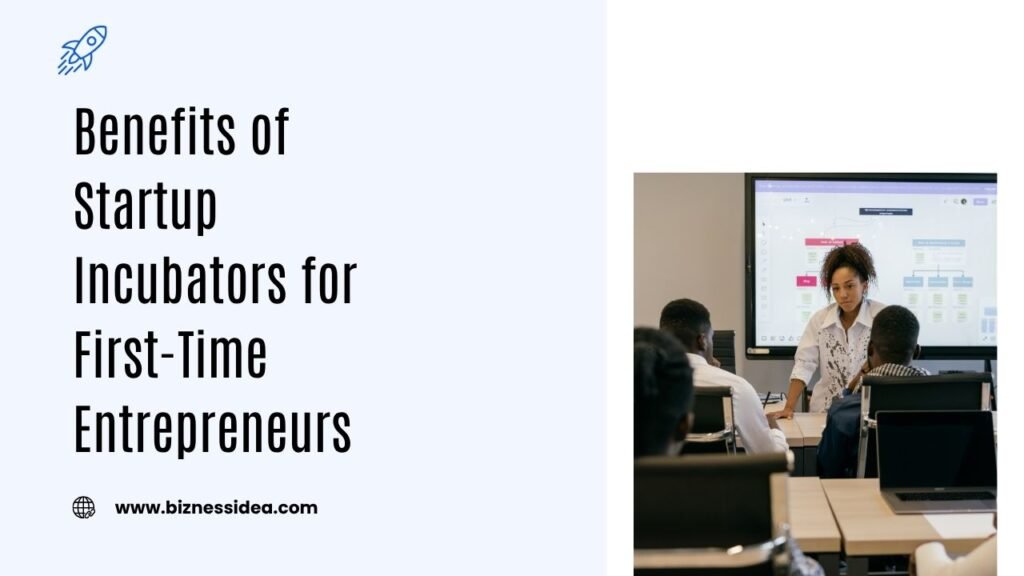
Startup incubators offer several benefits, especially for beginners.
Key Benefits:
- Reduced risk of failure
- Faster learning curve
- Access to expert guidance
- Better networking opportunities
- Structured growth path
Moreover, incubators help founders stay focused. Instead of getting lost in confusion, they follow a clear roadmap.
Additionally, they provide emotional support. Starting a business can feel lonely, but incubators create a community.
Challenges of Joining a Startup Incubator
While incubators are helpful, they also have some challenges.
Common Challenges:
- Limited slots (high competition)
- Structured programs may feel restrictive
- Some incubators take equity
How to Overcome:
- Prepare strong application
- Be open to feedback
- Choose carefully
Understanding these challenges helps you prepare better.
Future of Startup Incubators in India
India’s startup ecosystem is growing rapidly. As a result, incubators are becoming more important.
Future Trends:
- More government support
- Rise of sector-specific incubators
- Increased funding opportunities
- Focus on innovation
This creates a strong environment for new entrepreneurs.
Conclusion
Starting a business alone can be overwhelming. However, with the help of startup incubators in India, the journey becomes more structured and manageable.
Instead of guessing your way forward, you get expert guidance, real-world insights, and a supportive network. This not only improves your chances of success but also helps you grow faster.
Choose wisely, stay consistent, and use the support available. Your startup journey becomes much stronger when you don’t walk it alone.
FAQs
Que 1. What is a startup incubator in business?
Ans. A startup incubator helps early-stage startups grow by providing mentorship, resources, and guidance.
Que 2. What is the role of an incubator in a startup?
Ans. It supports idea development, provides mentorship, and helps startups build strong business models.
Que 3. What is the difference between incubator and accelerator?
Ans. Incubators support early-stage ideas, while accelerators focus on scaling existing startups.
Que 4. Which are the best startup incubators in India?
Ans. T-Hub, NSRCEL, SINE, and CIIE are among the top incubators.
Que 5. How to choose the best startup incubator in India?
Ans. Evaluate your needs, research options, and choose based on mentorship and industry relevance.