









When designing a kitchen with a classic style, selecting the right countertop is crucial to creating a timeless, elegant space. The best countertop for classic kitchen design evokes warmth, tradition, and sophistication, often featuring high-quality materials, neutral tones, and an understated yet refined aesthetic. The countertop is a key element of this design, and it should not only complement the cabinetry and flooring but also stand up to the demands of daily use. In this guide, we’ll explore the best countertop materials for a classic kitchen design, helping you choose a surface that combines beauty, durability, and lasting appeal.
Characteristics of a Classic Kitchen Design
Before diving into specific countertop materials, it’s important to understand the elements that define a classic kitchen. Classic kitchen designs often feature:
- Neutral color palettes: Whites, beiges, grays, and soft earth tones
- Natural materials: Wood, stone, and other materials that age gracefully
- Timeless finishes: Shaker-style cabinets, traditional moldings, and natural finishes
- Elegant details: Subtle, high-quality finishes that exude sophistication without being overly ornate
With these characteristics in mind, you want a countertop that enhances the kitchen’s overall aesthetic while adding both function and beauty. Let’s explore some of the best materials for a classic kitchen design.
Best Countertop Materials for a Classic Kitchen Design
Several materials align perfectly with the timeless beauty of a classic kitchen. Each material has its own unique characteristics, so it’s important to consider your priorities, whether it’s durability, maintenance, or style, when choosing the right one for your space.
Granite as the Best Countertop for Classic Kitchen
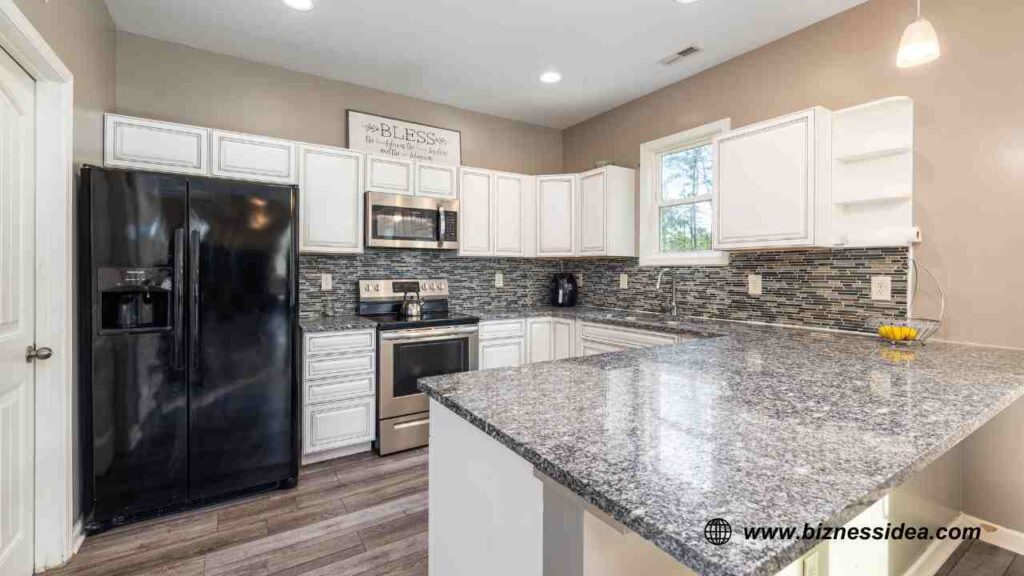
Granite is a classic and highly durable natural stone that is often used in traditional kitchens. It offers a polished, refined look with a wide range of colors and patterns, from white and beige to more vibrant tones like emerald green or deep black. Granite countertops work beautifully in classic kitchens because they combine natural beauty with exceptional functionality.
Benefits:
- Durability: Granite is incredibly tough and resistant to scratches, chips, and heat, making it ideal for high-traffic kitchens.
- Variety: With a wide range of colors and patterns available, granite can be customized to match any classic kitchen color scheme.
- Timeless Appeal: Granite’s natural variations and timeless elegance make it a perfect choice for a kitchen that will remain stylish for years.
Drawbacks:
- Maintenance: Granite requires periodic sealing to prevent staining and maintain its shine. However, with proper care, granite can last for decades.
- Cost: Granite can be on the more expensive side, depending on the quality and rarity of the stone.
Granite countertops bring an upscale, sophisticated element to a classic kitchen, making them a top contender for homeowners who appreciate both beauty and functionality.
Why Marble is the Best Countertop for a Classic Kitchen
Marble is another classic material that exudes luxury and elegance, making it an ideal choice for traditional kitchens. Known for its stunning veining and rich, luminous appearance, marble brings a level of sophistication that few other materials can match. While marble is most commonly used in high-end designs, it can also work well in more understated classic kitchens with its timeless charm.
Benefits:
- Luxurious Aesthetic: Marble’s veining and natural color variations create a sophisticated and refined look that is always in style.
- Cool Surface: Ideal for baking and pastry preparation, marble’s naturally cool surface helps keep dough from sticking.
- Unique Patterns: No two marble slabs are alike, making each countertop unique.
Drawbacks:
- Maintenance: Marble is porous and can stain easily, particularly from acidic substances like lemon juice, vinegar, and wine. It requires regular sealing and careful maintenance.
- Softness: Marble is softer than granite and more prone to scratching and denting.
Marble countertops add a touch of luxury to any classic kitchen. Though they require more maintenance than other materials, their beauty and elegance make them well worth the effort for homeowners seeking a sophisticated kitchen.
Quartz as the Best Countertop for Classic Kitchen
For homeowners looking for a classic yet low-maintenance option, quartz is a fantastic choice. Made from natural quartz crystals mixed with resin, quartz countertops offer the look of natural stone with added durability and ease of maintenance. Quartz comes in a variety of colors and patterns, including designs that mimic marble and granite, making it a versatile option for classic kitchens.
Benefits:
- Low Maintenance: Quartz is non-porous, so it doesn’t require sealing and is resistant to stains, bacteria, and scratches.
- Durability: Quartz is highly durable and can handle the demands of a busy kitchen without showing signs of wear.
- Consistency: Since quartz is engineered, it offers consistent patterns and colors, making it ideal for those who want a uniform appearance.
Drawbacks:
- Heat Sensitivity: Quartz can be damaged by high temperatures, so it’s essential to use trivets or hot pads when placing hot pots or pans on the surface.
- Less Natural: While quartz is an excellent material, it lacks the natural variations and uniqueness of materials like granite or marble.
Quartz kitchen countertops bring both style and functionality to a classic kitchen. With their low-maintenance nature and durability, quartz is a great option for homeowners who want a beautiful yet practical surface.
Butcher Block
Butcher block countertops offer a warm, inviting aesthetic that works perfectly in classic kitchens, especially those with a more rustic or farmhouse style. Made from hardwoods like maple, walnut, or oak, butcher block countertops add texture and warmth to the kitchen. They are especially popular in kitchens where food preparation is a key focus.
Benefits:
- Natural Beauty: Butcher block’s rich wood grain and texture create a warm, welcoming feel that complements classic kitchen styles.
- Knife-Friendly: Wood is gentler on knives compared to stone countertops, making butcher block a great choice for home cooks.
- Customizable: Butcher block countertops can be refinished, sanded, and resealed, allowing for long-term maintenance.
Drawbacks:
- Maintenance: Butcher block requires regular oiling to keep the wood from drying out and cracking. It is also more susceptible to stains and scratches.
- Water Damage: Wood is porous and can absorb moisture, so it’s essential to wipe up spills promptly to prevent water damage.
Butcher block countertops bring a rustic charm and practicality to classic kitchens, especially when paired with other natural materials like stone or tile. While they require regular care, their natural warmth and functionality make them a popular choice for cooking spaces.
Soapstone
Soapstone is a soft, natural stone that is often used in classic kitchens for its smooth texture and rich, earthy look. With its subtle veining and matte finish, soapstone provides a timeless, understated elegance that fits seamlessly into traditional and vintage-inspired kitchens. The material darkens over time, adding to its beauty and character.
Benefits:
- Durability: Soapstone is resistant to heat and stains, making it ideal for high-traffic kitchens. It can also be repaired relatively easily if scratched or dented.
- Hygienic: Soapstone is non-porous, which makes it resistant to bacteria, stains, and odors.
- Timeless Aesthetic: Soapstone’s smooth, matte finish and natural veining make it an attractive, classic choice for kitchens.
Drawbacks:
- Softness: Soapstone is a relatively soft material, so it can scratch or dent more easily than granite or quartz.
- Patina Development: While many homeowners love the developing patina of soapstone, others may find it difficult to maintain the initial light color, as the stone darkens with use.
Soapstone countertops offer a unique, elegant look for classic kitchens, with a rustic charm that works well in both traditional and modern spaces.
Conclusion
Choosing the best countertop material for a classic kitchen design involves balancing beauty, durability, and functionality. Granite, marble, quartz, butcher block, and soapstone are all excellent choices, each offering a unique set of benefits that can enhance the aesthetic of a traditional kitchen. Whether you prefer the timeless elegance of marble, the durability of granite, or the warmth of butcher block, there’s a countertop material that will perfectly complement your classic kitchen design.
By considering your lifestyle, maintenance preferences, and the overall style of your kitchen, you can select a countertop that not only looks beautiful but also meets your everyday needs. A classic kitchen is a place where memories are made, and the right countertop will ensure it remains both functional and stylish for years to come.
FAQs
Que 1. Which type of countertop is best for a kitchen?
Ans. The best kitchen countertop depends on durability, maintenance, and style. Quartz is a popular choice because it is strong, stain-resistant, and easy to maintain. Granite is also widely used for its natural beauty and heat resistance, making both options suitable for everyday kitchen use.
Que 2. Which countertop is best for an Indian kitchen?
Ans. For an Indian kitchen, granite is often considered the best countertop. It handles heat, heavy cooking, spills, and frequent cleaning very well. Quartz is also a good option for modern homes, but granite remains preferred due to its durability and ability to withstand Indian cooking conditions.
Que 3. What is the most popular kitchen countertop right now?
Ans. Quartz is currently the most popular kitchen countertop. It offers a clean, modern look and is available in many colours and patterns. Homeowners prefer it because it is durable, non-porous, low maintenance, and blends well with both contemporary and traditional kitchen designs.