









Selling a house is not just a transaction; it is an emotional and financial decision. Buyers don’t simply purchase square footage — they buy a feeling, a lifestyle, and a vision of their future. That’s exactly where Home Staging Tips make a powerful difference.
If you understand the home staging meaning, you will see why staged homes often sell faster and, in many cases, for a higher price. In simple words, home staging is the process of preparing your property to make it more attractive to potential buyers. It highlights strengths, minimizes weaknesses, and creates an inviting atmosphere.
In this guide, you will discover practical home staging tips for sellers, smart home staging hacks, a complete home staging checklist, and proven home staging tips and tricks that actually work in real market conditions.
Let’s begin.
What Is Home Staging? Understanding the Real Meaning and Its Impact
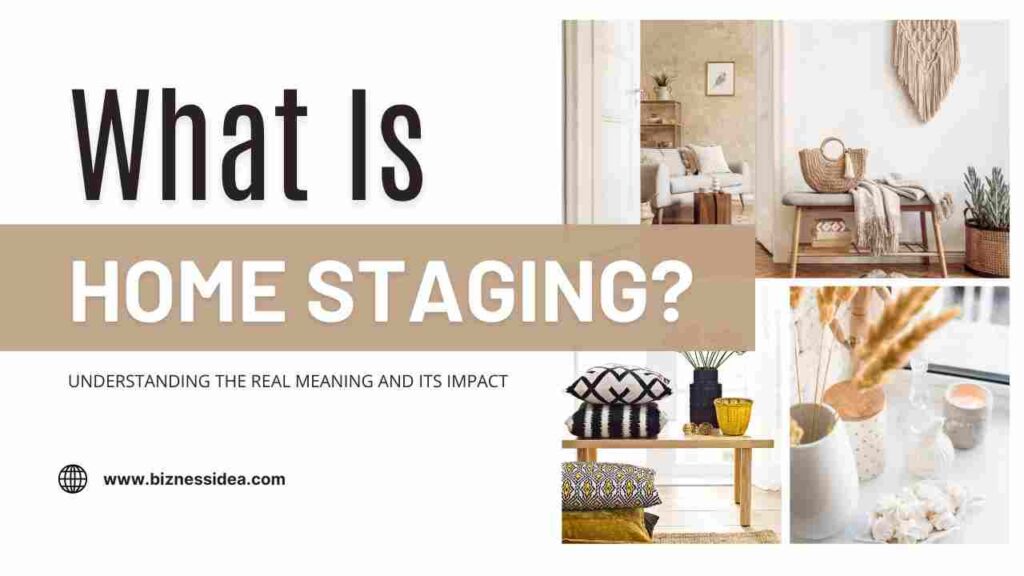
Home staging involves preparing and presenting your house in a way that appeals to the widest range of buyers. It is not interior decorating. Instead, it is a strategic marketing technique designed to increase perceived value.
When buyers walk into a staged home, they can instantly imagine themselves living there. As a result, emotional attachment forms quickly. That emotional connection often influences faster decision-making and stronger offers.
Moreover, home staging reduces distractions. Personal photos, bold décor choices, cluttered spaces, and mismatched furniture often prevent buyers from visualizing their own lifestyle. Therefore, staging removes these barriers and creates a neutral, welcoming environment.
Additionally, well-staged homes look better in listing photos. Since most buyers begin their search online, high-quality visuals significantly increase click-through rates and property inquiries.
In competitive markets, staging provides an advantage. Instead of competing only on price, sellers compete on presentation. Consequently, staged homes often stand out, attract more showings, and receive better offers.
Why Home Staging Tips Matter in Today’s Real Estate Market
The real estate market has changed. Buyers now compare multiple properties online before scheduling visits. Because of this, presentation has become more important than ever.
- Firstly, buyers make judgments within seconds of entering a property. Therefore, first impressions must feel positive and memorable. Secondly, buyers are often willing to pay more for a home that feels “move-in ready.” They prefer convenience over renovation stress.
- Furthermore, staging helps justify your asking price. When rooms look bright, spacious, and functional, buyers perceive higher value. In contrast, poorly presented homes raise doubts and invite low offers.
- Additionally, staged homes reduce time on market. The longer a property stays unsold, the more negotiating power buyers gain. However, if your house attracts strong interest early, you maintain pricing control.
Here is a quick comparison:
| Factor | Unstaged Home | Staged Home |
| First Impression | Neutral or negative | Positive and inviting |
| Online Photos | Average | Eye-catching |
| Buyer Emotion | Detached | Connected |
| Time on Market | Longer | Shorter |
| Negotiation Power | Buyer | Seller |
Clearly, smart home staging tips directly influence selling success.
Declutter and Depersonalise: The Foundation of Every Home Staging Checklist
- Before adding decorative touches, you must remove distractions. Decluttering is the first and most important step in any home staging checklist.
- Start by removing excess furniture. Crowded rooms look smaller than they actually are. Therefore, keep only essential pieces that define the space’s purpose.
- Next, eliminate personal items such as family photos, trophies, and personalized décor. Buyers should imagine their own lives in the home, not yours.
- Organize storage spaces as well. Closets, cabinets, and drawers should look spacious. Since buyers often check storage areas, neat organization builds confidence.
- Additionally, clear countertops in kitchens and bathrooms. Leave only a few tasteful items like a bowl of fruit or a neatly folded towel. Clean surfaces create a sense of order and calm.
- Finally, donate, sell, or store unused items. The less clutter you have, the larger and brighter your home will feel.
Deep Clean and Repair: Small Fixes That Create Big Value
Cleanliness strongly influences buyer perception. Even a beautiful house can feel neglected if it is not spotless.
- Begin with a deep cleaning session. Scrub floors, polish surfaces, clean windows, and remove stains. Fresh-smelling rooms immediately create a positive impression.
- Next, fix minor issues. Leaky taps, chipped paint, squeaky doors, and broken handles may seem small. However, buyers often view them as signs of larger hidden problems.
- Therefore, complete basic repairs before listing. Replace outdated light bulbs with bright white lighting. Repair cracked tiles. Touch up walls with neutral paint shades.
- Moreover, repainting in neutral tones like soft beige or light gray makes rooms appear larger and brighter. Neutral colors also appeal to a wider audience.
Because buyers associate cleanliness with maintenance, a well-maintained home builds trust. That trust often leads to stronger offers and smoother negotiations.
Maximise Space and Light: Smart Home Staging Tips and Tricks
Light and space sell homes. Even smaller properties can feel spacious with the right staging techniques.
- First, rearrange furniture to create clear walking paths. Rooms should feel open and easy to navigate. Avoid blocking windows with heavy curtains.
- Secondly, allow natural light to enter. Open blinds during showings. Clean windows to maximise brightness. Natural light instantly improves mood and perception.
- Additionally, use mirrors strategically. Mirrors reflect light and make rooms appear larger. Place them opposite windows for maximum effect.
- If natural light is limited, layer artificial lighting. Combine ceiling lights, floor lamps, and table lamps. Warm lighting creates a welcoming atmosphere.
- Furthermore, remove bulky furniture. Oversized sofas or tables can overwhelm a room. Instead, use proportional pieces that enhance space flow.
These simple home staging hacks can transform the overall feel of your property without significant expense.
Stage Key Areas First: Focus on Rooms That Influence Buyers Most
Not every room carries equal importance. Therefore, prioritise areas that influence buying decisions the most.
1. Living Room
The living room sets the emotional tone. Arrange seating to encourage conversation. Add soft cushions and a neutral rug. Keep décor minimal yet inviting.
2. Kitchen
The kitchen often determines the final decision. Clear countertops, organise cabinets, and add subtle touches like fresh flowers or a fruit bowl.
3. Master Bedroom
Create a calm and relaxing atmosphere. Use clean bedding, neutral colours, and soft lighting. Buyers should feel comfortable immediately.
4. Bathrooms
Bathrooms must feel fresh and hygienic. Replace old shower curtains, add fluffy white towels, and remove personal products.
By focusing on these areas first, you maximise impact while controlling staging costs.
Use Simple Home Staging Hacks to Boost Buyer Emotion
Emotion drives decisions. Therefore, small sensory details can make a big difference.
- Add fresh flowers or indoor plants.
- Bake cookies before showings or use subtle natural fragrances.
Set the dining table for a warm, welcoming feel. - Keep the temperature comfortable during visits.
- Play soft background music if appropriate.
Additionally, highlight unique features. If your home has a fireplace, stage it as a cozy focal point. If it has a balcony, add a small seating arrangement.
These thoughtful touches help buyers imagine daily life in the space. As a result, emotional connection strengthens.
Exterior Staging: First Impressions Start Before the Door Opens
Curb appeal strongly influences buyer perception. Buyers form opinions even before stepping inside.
Mow the lawn, trim hedges, and remove weeds. Paint the front door if necessary. Clean pathways and driveways thoroughly.
Add potted plants near the entrance. Ensure the doorbell works properly. Replace worn-out doormats.
Moreover, check exterior lighting. Evening viewings require proper illumination. Well-lit exteriors create safety and charm.
Since buyers often drive by before scheduling visits, strong curb appeal increases interest significantly.
Budget-Friendly Home Staging Tips for Sellers
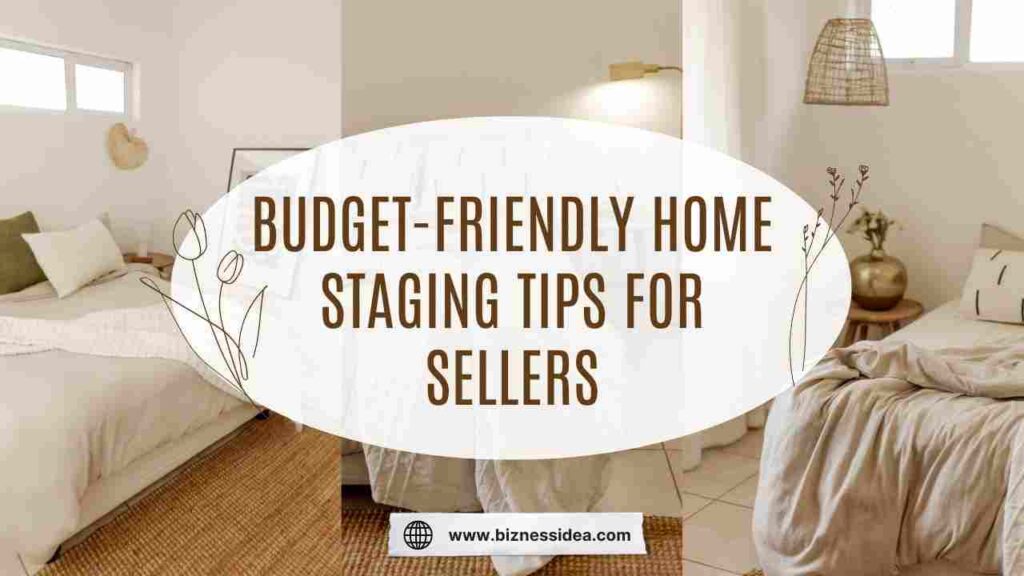
Home staging does not require a massive investment. Smart planning delivers results without overspending.
Here are cost-effective ideas:
- Rearrange existing furniture instead of buying new pieces.
- Borrow décor items from friends if needed.
- Use neutral bed linens and simple artwork.
- DIY minor repairs.
- Rent staging furniture only for empty properties.
However, avoid over-improving. Major renovations rarely return full value before selling. Focus instead on cosmetic improvements.
If the budget allows, a professional staging consultation can offer tailored advice. Yet even simple efforts often produce noticeable improvement.
Complete Home Staging Checklist Before Listing
Use this quick checklist before going live:
- Declutter all rooms
- Remove personal items
- Deep clean the entire property
- Repair minor damages
- Repaint walls in neutral tones
- Improve lighting
- Stage key rooms
- Enhance curb appeal
- Take professional listing photos
Following this structured approach ensures nothing important is overlooked.
Conclusion
Selling your home successfully depends not only on price but also on presentation. When you apply practical Home Staging Tips, you transform your property into a desirable product.
Decluttering, cleaning, repairing, and enhancing light create an immediate impact. Additionally, focusing on emotional appeal strengthens buyer interest.
Remember, buyers pay more for homes that feel ready, welcoming, and well-maintained. Therefore, invest time in thoughtful staging before listing.
In competitive markets, small improvements often deliver significant returns. When done correctly, home staging does not just prepare a house — it positions it to sell faster and for more money.
FAQs
Que 1. What is the meaning of home staging?
Ans. Home staging means preparing and decorating a property strategically to attract buyers and increase its perceived value.
Que 2. Do home staging tips really help sell faster?
Ans. Yes. Proper staging improves presentation, creates emotional connection, and often reduces time on market.
Que 3. How much should I spend on home staging?
Ans. Costs vary. However, many effective staging improvements can be completed with minimal budget by decluttering and rearranging.
Que 4. Is professional staging necessary?
Ans. Not always. Sellers can apply practical home staging tips themselves. Professional help is useful for high-value or vacant properties.
Que 5. Which rooms should I stage first?
Ans. Focus on the living room, kitchen, master bedroom, and bathrooms since they influence buyer decisions the most.