









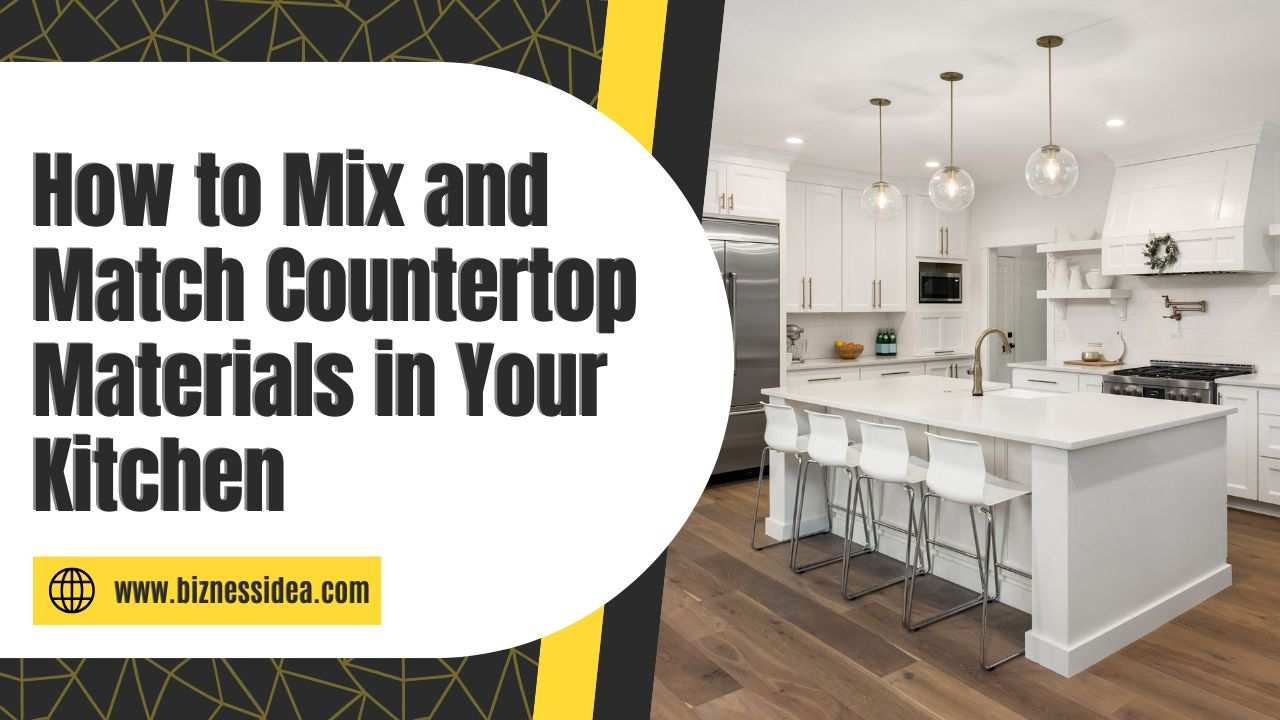
Mixing and matching countertop materials in the kitchen is a great way to create a dynamic, visually interesting space while accommodating different functions within the kitchen. A kitchen countertop is more than just a surface for food preparation; it’s an essential design element that can complement the overall look of the room. By using multiple materials, you can highlight different areas of the kitchen, like an island or food prep area, while maintaining a cohesive design. In this guide, we’ll explore how to mix and match countertop materials effectively to elevate your kitchen’s style and functionality.
Why Mix and Match Countertop Materials?
Mixing and matching countertops allows you to personalise your kitchen’s look and ensure each area serves a clear purpose. For example, many homeowners choose durable, heat-resistant surfaces near the stove, while selecting softer, more decorative materials for kitchen islands. With our professional countertops in Columbus services, we help homeowners combine different materials in a balanced way, enhancing kitchen design while delivering long-lasting functionality through expert installation.
Tips for Mixing Countertop Materials

1. Focus on Functionality: When mixing countertop materials, the first consideration should be functionality. Not all materials are suited for all tasks. For instance, butcher block is perfect for food prep but not ideal near the sink where water splashes might cause damage. Granite or quartz would work better in high-use areas like cooking zones, while materials like marble or soapstone could be ideal for a statement island.
2. Use One Material as a Focal Point: One of the best ways to create a balanced design when mixing countertop materials is to designate one material as the focal point. This could be a large island, bar area, or the main work surface. For example, you could use a striking material like marble or concrete on your kitchen island while opting for a more neutral material like granite or quartz for the perimeter countertops. This will help tie everything together and create a cohesive design.
3. Match the Colours and Patterns: When mixing materials, it’s essential to consider how their colours and patterns will interact. To ensure harmony, use materials that share similar tones, like combining light marble with light wood or light-colored quartz. If you’re opting for bold, contrasting materials, make sure they balance each other out. For example, a dark granite countertop could be complemented by a lighter wood or solid surface countertop, creating a modern and balanced look.
4. Create Contrast in High-Impact Areas: High-impact areas, like the kitchen island or bar counter, are perfect places to introduce a contrasting material. For example, you can create a focal point by using a different countertop material for the kitchen island, such as a wood butcher block or a colorful quartz. The contrast between materials draws attention to the island and can become the kitchen’s central feature.
5. Consider Maintenance and Durability: When choosing countertop materials, consider their maintenance and durability. While materials like granite or quartz are highly durable and low-maintenance, softer materials like marble or wood may require more care. Mixing and matching materials should be done with practicality in mind. Use durable materials in high-traffic areas and more aesthetically pleasing materials in places that won’t see heavy use.
Popular Material Combinations
1. Wood and Stone: Combining wood with stone, such as pairing butcher block with granite or quartz, is a popular combination that creates a warm and natural look. Wood offers warmth and character, while stone adds durability and sophistication. This combo works well in both modern and rustic kitchen designs, providing a balanced mix of functionality and style.
2. Marble and Quartz: Marble and quartz are often paired together to create a luxurious and elegant kitchen design. Marble’s rich veining and natural beauty contrast beautifully with quartz’s sleek, polished finish. This combination is ideal for creating an upscale, timeless kitchen where the beauty of the materials can really shine.
3. Concrete and Stainless Steel: For a more industrial, modern kitchen, combine concrete with stainless steel. Concrete countertops offer a raw, edgy look, while stainless steel brings a sleek, polished finish. This combination is perfect for creating a contemporary, cutting-edge space that has both style and substance.
Conclusion
Mixing and matching countertop materials in the kitchen allows you to create a personalised and functional space that suits your needs and style. By focusing on functionality, creating contrast, and choosing complementary materials, you can design a kitchen that is both practical and visually appealing. Don’t be afraid to experiment with different textures, colours, and finishes to bring your kitchen design to life.
FAQs
Que 1. What are countertop materials in the kitchen?
Ans. Kitchen countertop materials are the surface layers you install on the working counters in your kitchen. These materials must withstand heat, moisture, cutting, stains from spices and oils, and everyday wear and tear. Common countertop materials include:
- Natural stones (like granite and marble)
- Engineered stones (like quartz)
- Laminate
- Solid surfaces (e.g., Corian)
- Wood
- Metal or porcelain
Each type has its own strength, look, cost, and maintenance needs.
Que 2. What materials are used for kitchen countertops?
Ans. Here are the most popular materials used for kitchen countertops today:
- Granite – Natural stone known for strength, heat resistance and uniqueness.
- Marble – Elegant and classic, but more porous and needs sealing.
- Quartz – Engineered stone that’s non-porous, stain-resistant and low maintenance.
- Laminate – Budget-friendly option with many design styles.
- Solid Surface (e.g., Corian) – Seamless look and easy to clean.
- Wood – Warm, natural look but needs regular sealing.,
- Porcelain or Concrete – Durable and stylish alternatives in modern kitchens.
Other specialty materials like metal or full-body tile also appear in countertop designs.
Que 3. Can you mix countertop materials?
Ans. Yes! You can mix different countertop materials in one kitchen if it’s done thoughtfully. Many designers use different materials for different zones of the kitchen—for example: granite for the main cooking area because it’s very heat and scratch-resistant, and quartz or marble on an island or baking area for a stylish look. Mixing materials can help you balance function and design, as long as the colours and finishes complement each other visually and the edge profiles match.
Que 4. Which material is best for kitchen countertops in India?
Ans. There’s no single “best” material for every kitchen—it depends on your needs, budget, and style—but a few choices stand out for Indian kitchens:
- Granite
- Quart
- Marble
- Laminate / Solid Surface